
Introduction
A strong SEO strategy is the foundation of online success. Whether you run a blog, business website, eCommerce store, or service-based platform, search engine optimization helps you attract the right audience without relying entirely on paid advertising. Many website owners publish content regularly but fail to see meaningful traffic because they do not follow a structured SEO plan.
An effective SEO strategy guide helps you understand how search engines work and how to optimize your website to meet user expectations. Instead of chasing quick wins, a smart strategy focuses on sustainable growth through quality content, technical improvements, keyword research, and user experience.
SEO is constantly evolving. Search engines continue to improve their algorithms to deliver better results to users. As a result, website owners must adapt their methods and focus on providing genuine value. A successful SEO strategy combines creativity, data analysis, and consistent optimization efforts.
What is SEO Strategy Guide?
An SEO strategy guide is a structured plan that outlines the actions needed to improve a website’s visibility in search engine results. It includes keyword research, content creation, technical optimization, link building, user experience improvements, and performance tracking.
Rather than applying random SEO tactics, a strategy guide provides a roadmap that aligns optimization efforts with business goals. It helps website owners prioritize tasks, measure results, and make informed decisions.
A complete SEO strategy focuses on three major areas:
- On-page SEO
- Off-page SEO
- Technical SEO
When these areas work together, websites are more likely to achieve long-term growth and stronger search engine rankings.
Why is SEO Strategy Guide Important?

Search engines are one of the largest sources of website traffic. Millions of users search for information, products, and services every day. Without a proper SEO plan, your website may struggle to compete against established competitors.
Here are several reasons why an SEO strategy guide is important:
- Increases organic traffic
- Improves website visibility
- Builds brand credibility
- Enhances user experience
- Generates qualified leads
- Supports long-term growth
- Reduces dependence on paid advertising
- Helps achieve better conversion rates
A clear strategy also helps businesses avoid wasting time and resources on ineffective optimization methods.
Detailed Step-by-Step Guide
Step 1: Define Your SEO Goals
Before starting any SEO campaign, establish clear objectives.
Examples include:
- Increasing website traffic
- Generating leads
- Boosting product sales
- Growing email subscribers
- Improving local visibility
Specific goals make it easier to measure success and adjust strategies when necessary.
Step 2: Understand Your Target Audience
Knowing your audience helps you create content that matches their needs and search behavior.
Consider the following:
- Age group
- Interests
- Pain points
- Search intent
- Preferred content formats
For example, beginners may prefer detailed guides, while experienced users often look for advanced insights and case studies.
Step 3: Conduct Keyword Research
Keyword research is one of the most important parts of any SEO strategy.
Look for keywords that:
- Have reasonable search volume
- Match user intent
- Have manageable competition
- Relate directly to your niche
Focus on a combination of:
- Short-tail keywords
- Long-tail keywords
- Informational keywords
- Commercial keywords
Long-tail keywords often provide better conversion opportunities because they target specific user needs.
Step 4: Analyze Competitors
Competitor research reveals what is already working in your industry.
Review competitor websites and identify:
- Top-performing pages
- Popular keywords
- Content structure
- Backlink sources
- User experience elements
This information helps you discover opportunities and gaps you can target.
Step 5: Create High-Quality Content
Content remains one of the strongest ranking factors.
Your content should:
- Solve user problems
- Provide accurate information
- Be easy to read
- Include relevant keywords naturally
- Offer unique insights
Examples of valuable content include:
- Guides
- Tutorials
- Reviews
- Case studies
- Comparison articles
- Industry news
Focus on quality rather than publishing large quantities of low-value content.
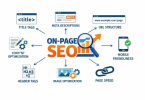
Step 6: Optimize On-Page SEO
On-page optimization improves the relevance and structure of your content.
Key elements include:
- Title tags
- Meta descriptions
- Headings
- URL structure
- Internal links
- Image optimization
- Keyword placement
Ensure each page targets a specific topic and delivers a clear user experience.
Step 7: Improve Website Structure
A well-organized website helps users and search engines navigate content efficiently.
Best practices include:
- Logical navigation menus
- Clear category structure
- Internal linking
- Mobile-friendly design
- Fast-loading pages
A simple website structure often leads to better indexing and improved engagement.
Step 8: Focus on Technical SEO
Technical SEO ensures search engines can crawl and index your website effectively.
Important technical factors include:
- XML sitemap
- Robots.txt file
- HTTPS security
- Structured data
- Mobile responsiveness
- Page speed optimization
Regular technical audits help identify issues before they affect rankings.
Step 9: Build High-Quality Backlinks
Backlinks act as trust signals for search engines.
Effective link-building methods include:
- Guest posting
- Resource page outreach
- Digital PR
- Creating shareable content
- Industry partnerships
Quality is more important than quantity. A few strong backlinks are often more valuable than hundreds of low-quality links.
Step 10: Optimize for User Experience
User experience directly influences engagement metrics.
Improve UX by:
- Using clear layouts
- Reducing page load times
- Enhancing readability
- Simplifying navigation
- Making pages mobile-friendly
A positive user experience encourages visitors to stay longer and interact with your content.
Step 11: Track SEO Performance
Monitoring results helps determine whether your strategy is working.
Track metrics such as:
- Organic traffic
- Keyword rankings
- Bounce rate
- Click-through rate
- Conversion rate
- Backlink growth
Regular analysis allows you to identify strengths and weaknesses.
Step 12: Update Content Regularly
SEO is not a one-time activity.
Refresh older content by:
- Updating statistics
- Improving readability
- Adding new information
- Fixing outdated references
- Expanding sections
Content updates often lead to ranking improvements and increased traffic.
Benefits of SEO Strategy Guide
A structured SEO strategy offers numerous advantages:
- Increases organic website traffic
- Improves search engine rankings
- Enhances brand authority
- Generates targeted visitors
- Creates long-term growth opportunities
- Strengthens online visibility
- Supports content marketing efforts
- Improves user engagement
- Delivers better return on investment
- Helps outperform competitors
- Encourages consistent optimization
- Builds trust among users
These benefits make SEO one of the most valuable digital marketing investments.
Disadvantages / Risks
Although SEO offers many benefits, it also has certain challenges:
- Results take time to appear
- Search algorithms frequently change
- Competition can be intense
- Requires continuous effort
- Some keywords are difficult to rank for
- Poor SEO practices can lead to penalties
- Technical issues may impact performance
- Link-building can be time-consuming
Understanding these risks helps you develop realistic expectations.
Common Mistakes to Avoid
Many website owners unknowingly make SEO mistakes that limit growth.
Ignoring Search Intent
Targeting keywords without understanding user intent often leads to poor performance.
Publishing Low-Quality Content
Thin or repetitive content provides little value and struggles to rank.
Keyword Stuffing
Overusing keywords creates a poor reading experience and may harm rankings.
Neglecting Mobile Optimization
Most users browse on mobile devices, making responsiveness essential.
Poor Internal Linking
Weak internal linking can reduce content discoverability and user engagement.
Ignoring Technical Issues
Broken links, slow pages, and indexing errors can negatively affect SEO.
Focusing Only on Rankings
Traffic quality and conversions are often more important than ranking positions alone.
Not Tracking Results
Without data, it becomes difficult to understand what works and what needs improvement.
FAQs
1. How long does SEO take to show results?
SEO typically requires several months before significant improvements become visible. Factors such as competition, website authority, and content quality influence the timeline. Many websites begin seeing measurable progress within three to six months.
2. Is SEO better than paid advertising?
SEO and paid advertising serve different purposes. SEO focuses on long-term organic growth, while paid advertising delivers immediate visibility. A balanced marketing strategy often includes both approaches.
3. How often should I update my SEO strategy?
Review your strategy regularly and make adjustments based on performance data, industry trends, and algorithm updates. Quarterly reviews are often effective.
4. What is the most important part of SEO?
There is no single factor that guarantees success. However, high-quality content, keyword research, technical optimization, and backlinks consistently play major roles in ranking performance.
5. Can beginners learn SEO?
Yes. SEO can be learned through practice, research, and consistent implementation. Beginners should start with keyword research, content optimization, and basic technical improvements.
6. Why are backlinks important?
Backlinks help search engines understand that other websites trust your content. Quality backlinks can improve authority, visibility, and ranking potential.
7. Does content length matter for SEO?
Content length can help when it allows a topic to be covered thoroughly. However, quality, relevance, and user satisfaction are more important than word count alone.
8. Is local SEO different from regular SEO?
Yes. Local SEO focuses on improving visibility for location-based searches. It includes local keywords, business listings, reviews, and geographic relevance.
Expert Tips & Bonus Points
The following tips can strengthen your SEO efforts:
- Prioritize user intent before keyword volume.
- Create content clusters around major topics.
- Improve page speed whenever possible.
- Use descriptive headings throughout articles.
- Optimize images for performance and accessibility.
- Build relationships within your industry.
- Monitor competitors regularly.
- Focus on topical authority rather than isolated keywords.
- Update older content before creating new articles.
- Maintain a consistent publishing schedule.
- Use internal links strategically.
- Improve click-through rates with compelling titles.
- Track performance using reliable analytics tools.
- Remove outdated or low-value pages when necessary.
- Focus on solving real user problems.
A successful SEO strategy guide is built on consistency, patience, and continuous improvement rather than shortcuts.
Conclusion
Creating a successful SEO strategy requires planning, commitment, and a willingness to adapt. While search engine optimization may seem complex at first, following a structured process makes it much easier to achieve meaningful results. From defining goals and researching keywords to improving technical performance and building quality backlinks, every step contributes to long-term growth.
One of the biggest advantages of SEO is its ability to generate sustainable traffic. Unlike short-term promotional campaigns, strong search visibility can continue delivering visitors for months or even years. However, success does not happen overnight. Website owners must remain patient and focus on providing value to users while continuously refining their optimization efforts.
This SEO strategy guide demonstrates that effective optimization is not about tricks or shortcuts. Instead, it is about understanding your audience, creating useful content, improving user experience, and maintaining a technically sound website. When these elements work together, search engines are more likely to reward your efforts with higher rankings and increased visibility.